


Supremacy: World War 3
4.49.66K Reviews
App Specs
- Version
- 0.232
- Updated On
- License
- Free
- Downloads
- 10,000,000+
- Developer
- Stillfront Supremacy Ltd
- Categories
- Strategy
- Platform
- Android, iOS
Screenshots

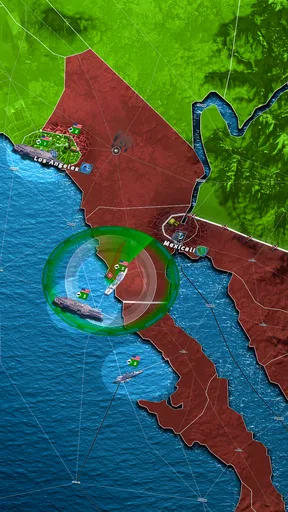
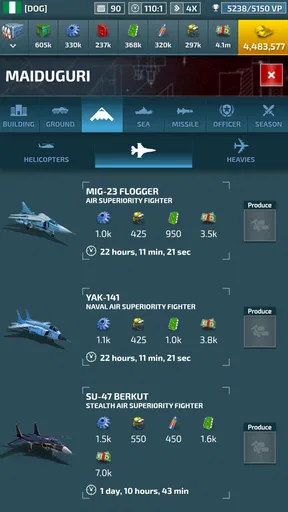
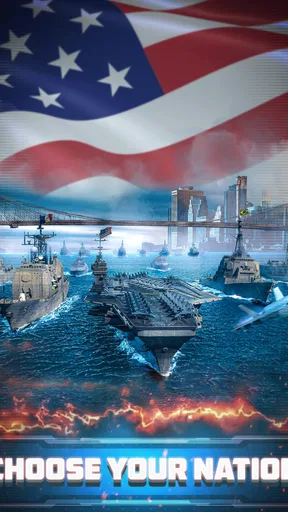
 Analysis by AppCompare
I approach Supremacy: World War 3 as a long-form strategy game rather than a quick match to fill a spare minute. Its appeal is the chance to make decisions that matter over time: build up your position, watch the wider map, and decide when to cooperate or compete. If you enjoy thinking several moves ahead, the premise is inviting; if you want immediate action and a clear winner after a short session, it may feel slow to get going.
What to expect from a modern strategy campaign
This is a strategy game from Stillfront Supremacy Ltd, built around a large-scale modern conflict and multiplayer battles. The store describes its focus as real-time, but I would not mistake that for nonstop tapping or an arcade pace. The interesting part is the longer decision cycle: choices about expansion, resources, and military pressure can have consequences after you leave the screen. That makes patience and planning more useful than reacting to every event instantly.
There is also a social side to the strategy. Other players are not simply scenery; diplomacy and the possibility of shifting loyalties make it important to judge when a deal helps and when it leaves you exposed. I find that more compelling than a campaign where every opponent follows a predictable script, though it also means a promising plan can be disrupted by someone else’s choices.
The game is free to download, with in-app purchases listed from $0.99 to $899.99 per item. That range is worth noticing before you start, especially if you prefer games with no optional spending. I recommend treating purchases as entirely optional and deciding on a personal limit in advance. You can enjoy the strategic premise without assuming that spending is part of the basic appeal, but competitive players should be comfortable with the presence of paid items.
Getting your first session on the right track
When I start a strategy game like this, I try not to treat the opening tutorial as something to rush through. The original experience describes an introduction to resources, army building, and attacks; those are connected decisions, not isolated buttons to memorize. Pay attention to what each action costs and what it enables next. A move that looks strong on its own may slow down the broader plan if it leaves too little room for development.
For a first run, I would choose one simple goal rather than trying to master every system at once: understand how your starting position can grow, then make one deliberate move that improves it. Before committing forces to an attack, consider what you need to protect at home and whether the target is worth the risk. That small pause is a useful habit in a game where expansion can create new responsibilities as well as new opportunities.
A practical first-session routine is to check the map, identify a nearby objective, review your available resources, and only then decide what to build or move. I would also make a note of any unfamiliar terms or controls rather than guessing repeatedly. This keeps the early experience manageable and makes it easier to see why a choice worked—or why it did not—when you return.
Worth Reading Before You Choose

EA SPORTS FC Mobile 26 Is a Bigger Football Game, but It Takes Time

Flipboard Shows What News Apps Must Do Beyond the Feed

Switching to Android Auto Means Rethinking Your Driving Routine

Google Calendar Makes a Crowded Week Easier to Manage

Ludo King Makes the Most of the Minutes Between Plans

Baby Panda World Brings Quick Play to Modern Phones, but Its Game Library Feels Busy
How to reach a first meaningful success
For me, a satisfying early win is not necessarily conquering a large area. It is making one useful decision and seeing its effect: improving a position, coordinating a sensible attack, or avoiding a fight that would drain resources without a clear benefit. That kind of progress teaches more than launching units simply because they are available.
One helpful trade-off is to think about defense and expansion together. If you push outward, ask what that does to the places you already control. A broader position can give you options, but it can also demand attention. I would rather expand at a pace I can support than claim ground and discover that I have spread my forces too thin.
Another useful habit is to treat diplomacy as a plan with an exit in mind. An alliance can reduce immediate pressure or create room to develop, but it is not a guarantee that another player will always act in your interest. Keep your own position viable even while cooperating. That way, a change in relations is a complication rather than the end of your strategy.
Common points of confusion and the real-time rhythm
The mix of real-time and turn-based language can sound contradictory. I read it as a game whose world and multiplayer decisions unfold over time, while strategic actions still involve planning rather than a conventional sequence of isolated turns. That distinction matters if you expect a fast, self-contained battle: the tension here comes from a broader situation developing around your choices.
It is also easy to confuse activity with progress. Moving units or starting several plans at once can feel productive, but each commitment should serve a purpose. When I feel unsure, I would stop and ask three plain questions: what am I trying to gain, what might I leave vulnerable, and what resource or position will I need afterward? That quick check gives decisions a clearer shape without requiring a perfect plan.
Because other players influence the experience, the pace will not always fit a neat daily routine. It suits someone who can check in, think, and return later rather than someone who needs every session to resolve immediately. If you dislike waiting for a larger match to develop or prefer opponents that never surprise you, a shorter single-player strategy game is likely a better fit.
Who is likely to enjoy it—and who may not
I would recommend it to players who like map-based planning, multiplayer uncertainty, and the satisfaction of adapting after a rival changes the situation. It is especially appealing if you enjoy talking through plans with friends or comparing approaches after a match. The game’s strategy category is a better guide to its appeal than its war setting alone: the central draw is weighing choices, not simply watching combat.
I would steer away from it if you want a game that can be finished during a short break, if you strongly prefer a fixed story campaign, or if competitive multiplayer feels stressful rather than exciting. It is also not my first suggestion for someone who wants a completely uncomplicated free experience, since optional purchases are present and the listed price range reaches a high ceiling. Setting a spending boundary before play is a sensible way to keep the decision in your hands.
Compared with quick mobile tactics games, this asks for more patience and attention to the wider contest. Compared with a traditional turn-based strategy game, its multiplayer world can feel less controlled because opponents have their own agendas and timing. I see that as its defining trade-off: the unpredictability creates memorable negotiations and reversals, but it makes the experience less tidy than a match against predictable computer opponents.
Getting Started with Supremacy: World War 3
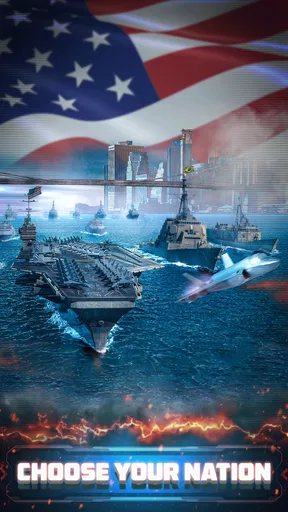
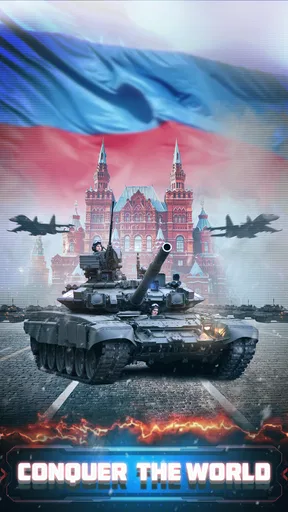
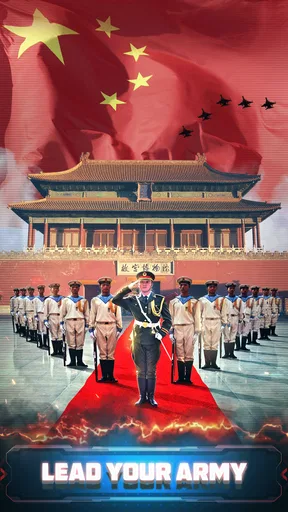
So, you’ve just downloaded Supremacy: World War 3 and are ready to dive into the action. The first thing that strikes you is the stunning graphics. The developers have really outdone themselves in creating a visually immersive experience. It’s like stepping into a whole new world where your strategic skills are put to the ultimate test.
The game kicks off with a neat tutorial that gets you acquainted with the basics. It’s straightforward and doesn’t drag on, which is great because I was itching to get into some real action. You get to learn how to manage resources, build your army, and plan attacks. Trust me, it’s all about the strategy here.
The Gameplay Experience
Once you’re past the tutorial, the real fun begins. Supremacy: World War 3 offers a dynamic gameplay experience with a mix of real-time strategy and turn-based elements. You’re in control, and every decision you make can alter the course of the game. It’s thrilling and keeps you on your toes.
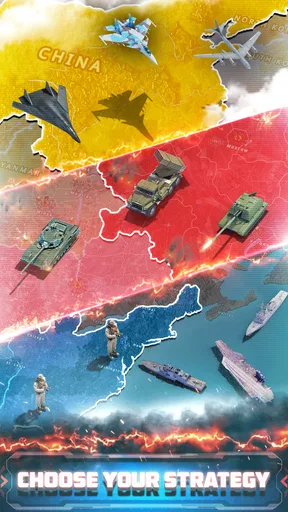
One thing I love is the diversity of units at your disposal. You’ve got everything from infantry to futuristic tanks and aircraft. Each unit has its own strengths and weaknesses, and figuring out the best combinations for different scenarios is half the fun. It’s like being a kid in a candy store, but with military units!
Strategy and Tactics
Here’s where Supremacy: World War 3 really shines. The strategic depth is insane. You’ve got to manage resources, plan your expansions, and outsmart your opponents. It’s a delicate balancing act that requires both patience and quick thinking. One minute you’re on top of the world, the next, you’re scrambling to defend your territory. It’s a roller-coaster, and I love it.
Diplomacy plays a significant role too. You can form alliances, but remember, not everyone can be trusted. It’s a game of wits, and sometimes betrayal is just around the corner. The thrill of negotiating deals and then deciding whether to uphold or break them adds another layer of excitement.
Graphics and Sound
The graphics, as I mentioned earlier, are top-notch. The attention to detail is remarkable, from the intricate designs of the units to the sprawling landscapes. It’s visually stunning, and the realistic animations make the battles feel alive.
The sound design complements the visuals perfectly. The soundtrack is epic, and the sound effects are crisp and immersive. Whether it’s the roar of tanks or the buzz of aircraft, the audio pulls you further into the game world.
What Keeps You Coming Back?
Replayability is huge in Supremacy: World War 3. With various maps and scenarios, each game feels fresh. There’s always a new strategy to try or a different approach to take. Plus, the multiplayer mode is a blast if you’re up for some competition with friends or other players worldwide.
The developers also seem committed to updating the game with new content and features, which is always a plus. Knowing that there’s more to come keeps the excitement alive.
Final Thoughts
The game has a 4.4 average from around 177,000 ratings and more than 10 million installs, so it has clearly found an audience beyond a small strategy niche. It is rated Teen, and its current version is 0.224, with Android 7.1 as the minimum operating-system requirement. Those details make it easier to judge whether it suits your device and household, but they do not change the main question: do you enjoy a strategy game that rewards returning to a developing situation?
A realistic way to fit it into an ordinary day is to check in when you have a few minutes, review what has changed, and make one considered decision instead of trying to play continuously. For example, before stepping away from a match, I would check whether a planned move still makes sense and whether a threatened position needs attention. The point is not to turn every spare moment into a command session; it is to leave yourself with a clear next step when you come back.
For a new player, I would judge the opening by whether the game makes its basic choices understandable and whether the first useful action feels connected to a plan. If the tutorial leaves you unsure, return to the map and focus on one goal at a time rather than trying to optimize everything immediately. If you enjoy that gradual learning curve, the multiplayer layers give you plenty to think about; if you need a quick, self-contained victory, the longer rhythm may not click.
All in all, Supremacy: World War 3 is a must-try for anyone who loves strategy games. It’s engaging, challenging, and offers endless hours of entertainment. Whether you’re a seasoned strategist or a newcomer looking to test your skills, this game has something for everyone. So, are you ready to conquer the world? Download it now and start your journey!
Pros
- Stunning graphics with realistic battlefields.
- Engaging multiplayer mode with global players.
- Frequent updates with new missions and features.
- Intuitive controls for seamless gameplay.
- Strategic depth with diverse military units.
Cons
- Requires constant internet connection.
- In-app purchases can be quite expensive.
- High battery usage during extended play.
- Learning curve can be steep for beginners.
- Occasional lag in crowded battles.
FAQs for Supremacy: World War 3
What is the main objective of Supremacy: World War 3?
Supremacy: World War 3 is a strategic military simulation game where players take on the role of a commander tasked with managing resources, building armies, and expanding territories. The main objective is to dominate the world map by forming alliances, engaging in battles, and strategically outmaneuvering opponents to achieve global supremacy.
Is Supremacy: World War 3 free to play?
Yes, Supremacy: World War 3 is free to download and play. However, it does offer in-app purchases that can enhance the gaming experience. These purchases are optional and include items such as resources, premium features, and cosmetic upgrades to help players progress faster or customize their gameplay.
What platforms is Supremacy: World War 3 available on?
Supremacy: World War 3 is available on both Android and iOS platforms. Players can download the game from the Google Play Store and Apple App Store. It’s designed to be compatible with a wide range of devices, ensuring a seamless experience across different smartphones and tablets.
How does multiplayer work in Supremacy: World War 3?
In Supremacy: World War 3, multiplayer gameplay is a key feature. Players can join or create alliances with others, participate in global conflicts, and compete in real-time strategy battles. The game requires an internet connection to play, allowing users to engage with a dynamic community and participate in worldwide tournaments.
What are the system requirements for Supremacy: World War 3?
To run Supremacy: World War 3 smoothly, Android users need a device running on Android 5.0 or higher, while iOS users require iOS 10.0 or later. The game is optimized for both platforms, but having a device with a recent OS update and adequate processing power will enhance performance and graphics quality.


